Source Tesla Wheel Lug Nuts for Trailer, Passenger Car, and Custom Use
Source Tesla wheel lug nuts from 30 verified listings. Compare carbon steel and alloy options with M12x1.5 threads, DIN/ISO standards, and chrome or black finishes for trailers, passenger cars, and customized applications; compare the available evidence and request quotations based on your requirements.
Key considerations
Products List




Comprehensive Sourcing Guide
Tesla Wheel Lug Nuts Sourcing Guide
Sourcing wheel lug nuts for Tesla vehicles requires precise alignment with specific thread geometries and torque specifications to ensure wheel security. The observed market data indicates a diverse range of offerings, including models explicitly labeled for passenger car use and others designed for trailer applications. Buyers must distinguish between these categories, as a fastener intended for heavy-duty trailers may not meet the dynamic load requirements of a high-performance electric vehicle. The presence of specific model identifiers like SN1906 or MTCBNb21125 suggests that suppliers often stock variants tailored to distinct vehicle platforms, necessitating careful verification before bulk ordering.
Commercial listings reveal significant variability in material composition, ranging from standard carbon steel to high-strength alloy options. This variation directly impacts the durability and corrosion resistance required for the unique operating conditions of electric vehicles, which often feature higher torque outputs. Procurement teams should prioritize suppliers who explicitly state their material grade, such as Grade 8 or 10, to ensure the fasteners can withstand the specific stress profiles of Tesla chassis systems. Relying on generic descriptions without confirming the exact alloy composition introduces unnecessary risk regarding structural integrity and long-term performance.
Product Scope and Observed Listing Signals
The current market inventory for wheel fasteners includes a wide spectrum of product types, from round head designs to hexagonal head configurations. Listings frequently cite specific thread sizes like M12x1.5 and M12x1.25, which are critical dimensions for compatibility with Tesla hub assemblies. Buyers should scrutinize the "prod_model" fields in supplier catalogs, as entries such as "lug nut" or "Range rover" may indicate cross-compatibility or generic labeling that requires further validation. The presence of customization options suggests that many manufacturers can adapt standard designs, but this flexibility must be balanced against the strict tolerances required for OEM-equivalent performance.
Packaging standards observed in the supply chain vary from simple cartons to complex palletized systems containing 30 to 50 pieces per inner box. This variation in packing density affects logistics planning and inventory management for procurement teams. Some suppliers offer specialized packaging like "Inner Box-Carton-Pallet" to protect the chrome or black finishes during transit, which is essential for maintaining the aesthetic and functional quality of the fasteners. Understanding these packaging norms helps buyers estimate shipping costs and storage requirements accurately, ensuring that the delivered goods arrive in optimal condition for immediate installation or warehousing.
Technical Specifications to Verify
Verification of thread pitch and length is paramount when sourcing fasteners for electric vehicles, as incorrect dimensions can lead to wheel detachment. The observed data highlights specific thread sizes of M12x1.5 and M12x1.25, alongside length variations of 37mm and 47mm. Buyers must cross-reference these measurements against the specific Tesla model year and wheel design, as even minor deviations can compromise the clamping force. The availability of "Customized" model numbers indicates that off-the-shelf solutions may not always fit, requiring a detailed technical review of the vehicle's hub specifications before finalizing any purchase order.
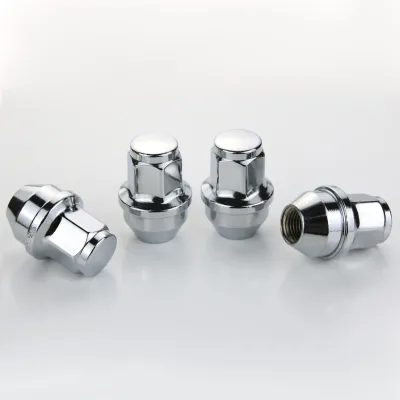
Surface finish and head style are equally critical technical parameters that influence both installation ease and long-term corrosion resistance. Listings describe finishes such as chrome and black, with head styles ranging from round to hexagonal, each serving different functional purposes. The exterior finish process, often involving chrome plating, must be verified to ensure it meets the environmental exposure standards of the intended application. Additionally, the material grade, whether carbon steel or high-strength alloy, dictates the tensile strength and fatigue life of the component, making it a non-negotiable factor in the technical selection process.
Compliance and Safety Documentation
Safety compliance for wheel fasteners involves adherence to multiple international standards, including DIN, GB, JIS, and ANSI. The observed product data references certifications such as ISO, VIA, and DOT, which serve as indicators of quality management and safety testing protocols. Buyers should request specific test reports that validate these certifications, ensuring that the fasteners have undergone rigorous stress and torque testing. Relying solely on a supplier's claim of compliance without verifying the underlying documentation can expose the procurement process to significant liability risks in the event of a mechanical failure.
Quality management systems, such as ISO 9001:2000, provide a framework for consistent manufacturing processes but do not guarantee specific product performance without supporting evidence. Procurement teams must ensure that the supplier's quality control measures extend beyond general certification to include batch-specific testing for critical attributes like hardness and tensile strength. The presence of a "Standard" designation in product listings is often too vague; instead, buyers should demand explicit references to the specific technical standards that govern the fastener's design and manufacturing. This due diligence ensures that the components meet the rigorous safety requirements of the automotive industry.
Cost Drivers and Commercial Terms
Pricing for wheel lug nuts is influenced by material costs, with high-strength steel and alloy options commanding a premium over standard carbon steel variants. The observed price range of 0.01 to 1200 USD reflects the vast difference between basic fasteners and specialized, high-performance components. Buyers should analyze the cost per unit in the context of the material grade and finish quality, as cheaper options may lack the necessary durability for electric vehicle applications. Understanding these cost drivers helps in budgeting for projects that require a balance between performance requirements and financial constraints.
Minimum Order Quantities (MOQ) and lead times are significant commercial factors that vary widely across the supplier base, with observed ranges from 1 to 100,000 units. High-volume buyers may negotiate better terms, but smaller orders might face higher per-unit costs or longer lead times due to setup requirements. The customization availability noted in the data suggests that tailored orders could incur additional costs and extended production schedules. Procurement strategies should account for these variables to avoid supply chain disruptions, ensuring that inventory levels are maintained without incurring excessive holding costs or rush fees.
Supplier Qualification and Quality Control
Supplier qualification requires a thorough assessment of their manufacturing capabilities and quality assurance processes. The presence of certifications like ISO, VIA, and DOT is a positive indicator, but buyers must verify the scope of these certifications to ensure they cover the specific production lines for wheel fasteners. It is essential to confirm that the supplier has a proven track record in producing automotive-grade components, particularly for high-torque applications. A robust quality control system should include in-process inspections and final testing protocols to catch defects before the products leave the facility.
Quality control extends to the verification of material grades and finishing processes, which are critical for the longevity of the fasteners. Buyers should request material test reports that confirm the grade, such as Grade 8 or 10, and verify the exterior finish specifications like chrome plating thickness. The observation of various packing methods, from cartons to pallets, also serves as a proxy for the supplier's attention to detail and logistics competence. Ensuring that the supplier maintains strict control over these variables is vital for maintaining the integrity of the supply chain and preventing costly returns or field failures.
Long-Term Procurement Checks
Establishing a long-term procurement strategy involves regular audits of supplier performance and product consistency over time. Buyers should implement a schedule for periodic re-verification of material grades and certification status to ensure that the supplier continues to meet the required standards. The dynamic nature of the automotive industry means that specifications may evolve, requiring ongoing communication with suppliers to adapt to new vehicle models or updated safety regulations. Proactive management of these relationships helps mitigate risks associated with supply chain disruptions and ensures a steady flow of high-quality components.
Continuous monitoring of market trends and pricing fluctuations is essential for maintaining a competitive procurement position. The observed variability in product models and specifications suggests that the market is dynamic, with new technologies and materials constantly emerging. Buyers should stay informed about advancements in fastener technology, such as improved corrosion-resistant coatings or higher-strength alloys, to make informed decisions about future sourcing needs. By maintaining a flexible and informed approach, procurement teams can optimize their supply chain for both cost efficiency and technical performance in the long run.
FAQs
What materials are used for these wheel lug nuts?
These wheel lug nuts are manufactured from carbon steel, alloy steel, and high-strength steel. The materials are selected to ensure durability and resistance to corrosion. Different grades such as grade 8 and grade 10 are available to meet specific load requirements. This variety allows buyers to choose the optimal material for their vehicle type and usage conditions.
Which standards do these fasteners comply with?
The fasteners comply with international standards including DIN, GB, JIS, ANSI, and GOST. They also adhere to ISO 9001:2000 quality management standards. Specific thread standards like M12x1.5 and M12x1.25 are supported. This ensures compatibility with various vehicle models and regulatory requirements across different global markets for automotive applications.
Can these wheel nuts be customized for specific vehicles?
Yes, customization is available for these wheel nuts. Buyers can request specific models, thread sizes, and head styles such as round or hexagonal. Custom packaging options like cartons or pallets are also offered. This flexibility allows suppliers to tailor products to unique vehicle requirements, ensuring a precise fit and secure installation for diverse automotive needs.
What certifications are provided for these automotive parts?
These automotive parts come with ISO certification. Some variants also hold VIA and DOT certifications. These credentials verify that the products meet stringent quality and safety standards. Buyers can rely on these certifications to ensure compliance with international regulations. The certifications provide assurance of product reliability and consistency for global sourcing requirements.
What are the typical packaging options for bulk orders?
Typical packaging includes inner boxes, cartons, and pallets. Specific configurations like 30, 40, or 50 pieces per carton are available. This structured packaging protects the nuts during transit and simplifies inventory management. Bulk orders can be efficiently packed on pallets for shipping. These options ensure safe delivery and easy handling for large-scale procurement operations.
Where are these wheel lug nuts manufactured?
These wheel lug nuts are manufactured in Ningbo, China. The location is a major hub for automotive component production. Sourcing from this region offers access to established supply chains and manufacturing expertise. Buyers can benefit from the logistical advantages and industrial infrastructure available in this area for efficient procurement and delivery.